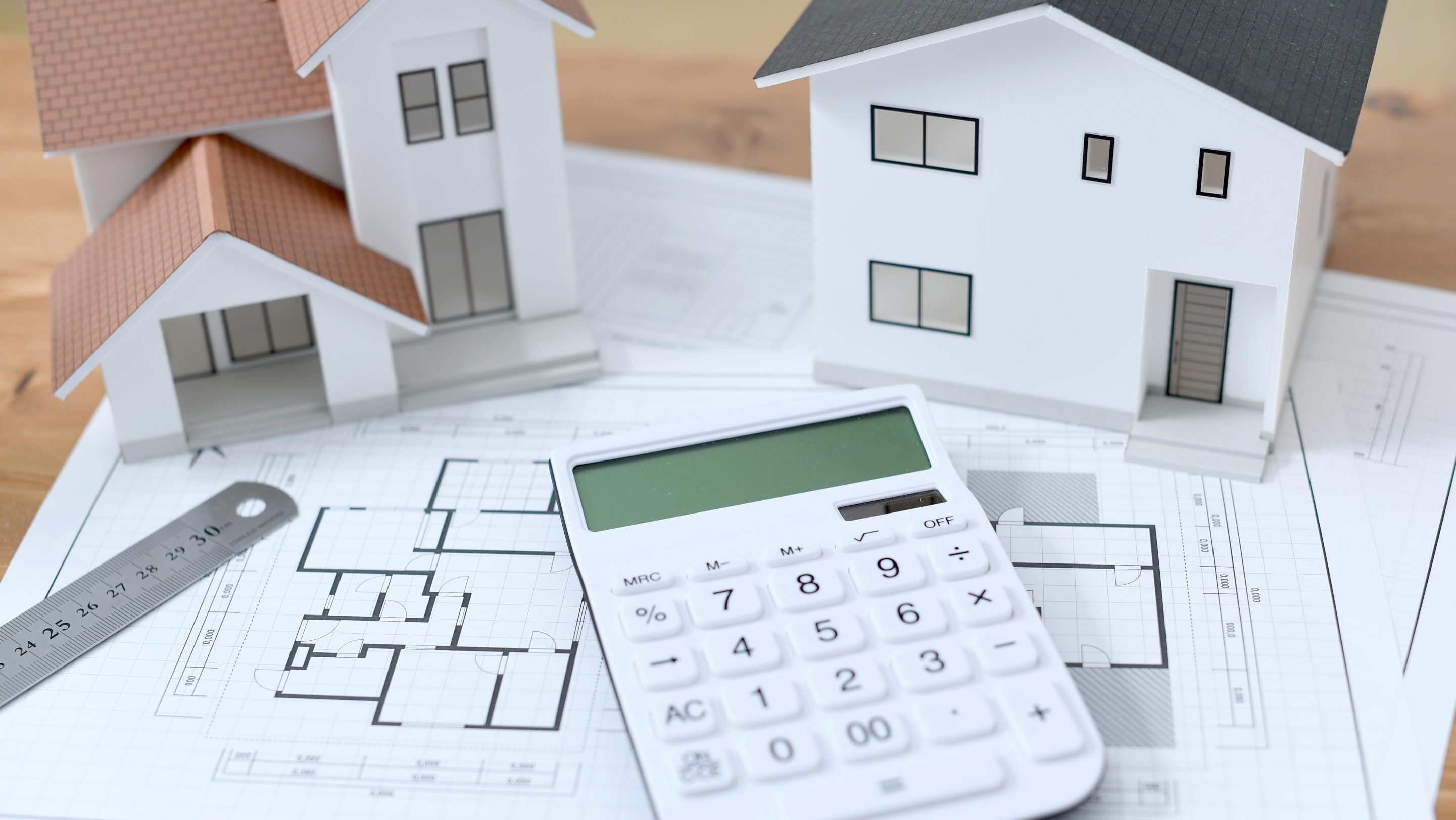
In this blog, we’ll explore what PPSF means, why it’s such a popular measure, the limitations of relying on it, and the many factors that influence it in a custom home build. By the end, you’ll have a deeper understanding of how to interpret PPSF and utilize it effectively in your custom home journey.
What Is Price Per Square Foot?
Price per square foot is calculated by dividing the total cost of a home by its total finished square footage. For example:
- If a 3,000-square-foot home costs $750,000, the PPSF is $250 per square foot.
In the resale real estate market, PPSF is commonly used to compare homes of similar size and location. For buyers, it can serve as a quick shorthand to judge whether a property is priced fairly compared to others in the area.
In custom home building, however, PPSF is a less reliable benchmark. That’s because no two homes are truly alike. Materials, finishes, layouts, site conditions, and design preferences all influence the cost in ways that PPSF doesn’t fully capture.
Why PPSF Is So Popular
Homeowners gravitate toward PPSF for several reasons:
- Simplicity – It provides a straightforward approach to understanding costs and making comparisons.
- Budget Framework – It provides a baseline for homeowners to estimate whether their desired home size is realistic within their budget.
- Industry Familiarity – Builders, appraisers, and real estate professionals often reference PPSF, so it becomes a shared language.
Yet despite its convenience, PPSF tells only part of the story when it comes to building a truly custom home.
The Limitations of Price Per Square Foot in Custom Homes
1. Not All Square Footage Costs the Same
A 1,000-square-foot finished basement isn’t comparable to a 1,000-square-foot gourmet kitchen and living room. The former is relatively inexpensive to finish, while the latter involves costly cabinetry, appliances, structural reinforcements, and high-end finishes.
2. Design Complexity Matters
A simple, rectangular home is far cheaper to build per square foot than a more custom home with intricate rooflines, vaulted ceilings, trendy elevations, or unusual layouts. PPSF doesn’t reflect these architectural complexities.
3. Materials and Finishes Skew the Numbers
A home with builder-grade flooring, laminate counters, and vinyl siding will have a much lower PPSF than a fully custom home with hardwood floors, quartz countertops, and intricate stonework. Even if the homes are the same size, the difference in finishes could double the PPSF.
4. PPSF Excludes Land and Site Costs
Often, PPSF calculations don’t include the cost of the land, grading, excavation, utility hookups, or landscaping. Building on a sloped lot, for example, can add tens of thousands of dollars in retaining walls and site work, none of which is reflected in the PPSF.
5. Scale Effects
Smaller homes typically have a higher PPSF because certain expensive elements, such as kitchens, bathrooms, and HVAC systems, are required regardless of size. Larger homes can spread these fixed costs across more square footage, lowering the PPSF.
Key Factors That Influence PPSF in Custom Homes
Location
- Local labor rates, permitting fees, and building code requirements vary by region.
- Urban lots may require higher site preparation costs, while rural properties might need extensive utility extensions.
Design Choices
- One-story homes often have a higher PPSF than two-story homes because the foundation and roofing are more expensive when spread across a smaller square footage.
- Open floor plans may require costly structural beams, which can impact the PPSF.
Materials and Finishes
- Cabinets, flooring, lighting, windows, and countertops dramatically impact PPSF.
- Custom work, such as handmade cabinetry or imported stone, significantly raises costs.
Special Features
- Pools, outdoor living areas, smart home systems, and energy-efficient technology all contribute to increasing PPSF.
- Architectural elements, such as vaulted ceilings, glass walls, and custom staircases, also contribute to higher costs.
Builder Expertise
- Experienced custom home builders with efficient processes and supplier relationships can reduce PPSF.
- Less organized or inexperienced home builders might cause costs to balloon.
Site Preparation
- Flat, cleared lots are generally less expensive to build on.
- Lots with slopes, rock, or poor soil conditions require additional site work, which increases the PPSF.
Using PPSF the Right Way
Use It for Ballpark Estimates
PPSF can give you a starting range for what’s possible within your budget. If custom homes in the Akron and Canton area average $250–$300 per square foot, you can expect a 3,000-square-foot home to cost $750,000–$900,000, before upgrades and land costs.
Compare Similar Homes
PPSF works best when comparing homes of similar design, finish level, and location. Comparing a high-end luxury custom build to a modest starter home isn’t meaningful.
Ask for Cost Breakdowns
Instead of relying solely on PPSF, request detailed estimates from your custom home builder. Look for itemized costs for site work, structure, finishes, and special features.
Balance PPSF With Total Cost
Ultimately, the total project cost, not PPSF, is the number that matters most. Use PPSF as a guideline, but focus on whether the total investment aligns with your budget and goals.
Common Misconceptions About PPSF
Myth 1: Higher PPSF = Higher Quality
Not always. Smaller homes with modest finishes can have a higher PPSF than larger, luxury homes, as fixed costs are more evenly spread.
Myth 2: PPSF Includes All Costs
In reality, PPSF rarely includes land, landscaping, or utility connection costs.
Myth 3: PPSF Is Fixed Early On
Custom home builders can’t guarantee a PPSF until design choices, finishes, and site conditions are finalized.
Real-World Examples in Northeast Ohio
1. Basic/Builder-Grade Homes
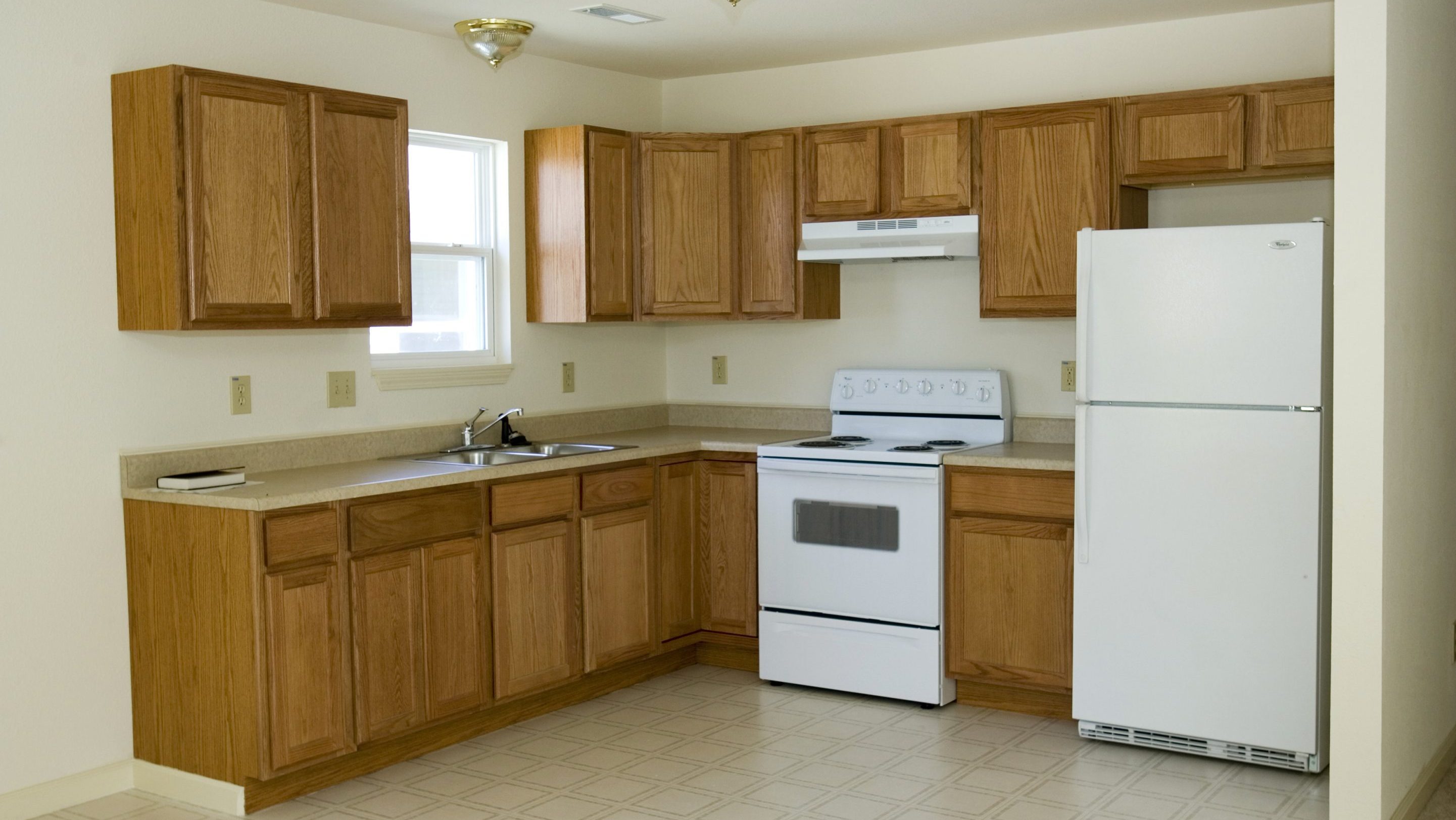
- Price Range: $130–$220 per square foot
- Total Cost Example: For a 2,000 sq. ft. home, approximately $260,000–$440,000.
- Finish Characteristics:
- Materials: Standard, cost-effective materials such as vinyl siding, asphalt shingle roofing, and basic interior finishes (e.g., laminate countertops, carpet or vinyl flooring, standard cabinetry).
- Design: Minimal customization with simple layouts and standard architectural features. These homes prioritize functionality and affordability.
- Examples of Features: Basic appliances, standard windows and doors, fiberglass insulation, and minimal upgrades.
- Context: Suitable for budget-conscious buyers or those building in less expensive areas like rural parts of Northeast Ohio (e.g., outside Canton or Akron).
- Why Least Expensive: Lower land and labor costs, less complex designs, and fewer premium features keep costs down.
2. Mid-Tier/Semi-Custom Homes

- Price Range: $220–$300 per square foot
- Total Cost Example: For a 2,000 sq. ft. custom home, approximately $440,000–$600,000.
- Finish Characteristics:
- Materials: Moderate upgrades like quartz countertops, hardwood or engineered wood flooring, tile in bathrooms, and semi-custom cabinetry. Exterior finishes may include a mix of vinyl and brick or engineered wood siding.
- Design: More personalized designs with some architectural complexity, such as open-concept layouts, vaulted ceilings, or additional structural features like mudroom cubbies or upgraded lighting.
- Examples of Features: Energy-efficient appliances, upgraded windows and doors, recessed lighting, custom bathroom vanities, and moderate smart home features.
- Context: Common in suburban areas like North Canton and Jackson Township, where home values are higher.
- Why Mid-Tier: Balances quality and customization with cost, offering upgrades without reaching luxury price points. Lemmon Homes, a premier custom home builder serving customers in the Akron and Canton, Ohio area, specializes in balancing premium quality with affordability.
3. High-End/Luxury Custom Homes

- Price Range: $300–$350+ per square foot
- Total Cost Example: For a 2,000 sq. ft. custom home, approximately $600,000–$700,000+; larger homes (3,500+ sq. ft.) can exceed $1,125,000.
- Finish Characteristics:
- Materials: Premium materials like granite or marble countertops, high-end hardwood floors, custom cabinetry, and luxury exterior finishes (e.g., brick, stone, or tile roofing). Energy-efficient systems and smart home technology are common.
- Design: Highly customized with intricate architectural details, complex layouts, and unique features like wine cellars, basement game rooms, or expansive outdoor spaces. Lemmon Homes highlights such designs in Northeast Ohio.
- Examples of Features: High-end appliance suites (costing $25,000+), advanced insulation (e.g., foam), custom windows, and premium fixtures like designer lighting or spa-like bathroom features.
- Context: Prevalent in affluent areas like North Canton, Jackson Township, and Hudson, where home values reach $650,000–$800,000.
- Why Most Expensive: The use of high-end materials, specialized labor, and extensive customization drives costs, appealing to buyers who prioritize exclusivity and quality.
These examples illustrate why PPSF varies significantly and why it’s essential to examine it beyond a single number.
Tips for Homeowners Planning a Custom Build
Identify Priorities Early – Decide where to allocate more resources (e.g., kitchens, primary suites) and where to conserve.
Work With a Transparent Builder – Find a custom home builder who offers detailed breakdowns rather than vague PPSF numbers.
Research Your Market – Understand local PPSF averages in the Akron and Canton area, but recognize that your unique custom home will likely differ.
Build in a Buffer – Set aside 10–15% for contingencies, such as material price fluctuations or design changes.
Focus on Value Over Cost – A slightly higher PPSF may deliver better long-term satisfaction and resale value.
Conclusion
Price per square foot is a helpful starting point for conversations about custom home costs, but it shouldn’t be your only tool. It oversimplifies the complexity of building a custom home, failing to account for design choices, finishes, site conditions, and special features. Instead, think of PPSF as a rough guideline, a way to frame initial expectations while understanding the many variables that will shape your final cost.
When building a custom home with Lemmon Homes, the objective measure of success isn’t achieving the lowest PPSF; it’s creating a home that matches your vision, suits your lifestyle, and provides lasting value. By using PPSF alongside detailed cost breakdowns and clear communication with your builder, you can approach your project with realistic expectations and confidence. More questions? Contact us here!
%20-%202026-05-05T153241.366.png)